Hamilton is really two cities stacked on top of each other. Up on the Mountain — the Niagara Escarpment that splits the city in two — homes sit exposed to colder, windier conditions than the sheltered lower city below. Down in the older neighbourhoods near the harbour and the downtown core, homes tend to be a different story entirely: brick worker’s cottages and two-storey houses built during Hamilton’s decades as a manufacturing powerhouse, long before modern insulation standards existed.
Both situations point to the same underlying issue, for different reasons.
Life on the Mountain vs. Life Below the Escarpment
The Escarpment isn’t just a scenic backdrop — it creates a genuine microclimate difference. Homes on the Mountain face more exposure to wind and cold than those tucked into the lower city’s more sheltered street grid. That exposure means an under-insulated attic on the Mountain loses heat into harsher conditions, and the effects — higher bills, cold upstairs rooms, ice buildup on the roof — tend to show up faster and more severely than they would on an identical house a few hundred feet lower in elevation.
Worker’s Cottages and Pre-Insulation Construction
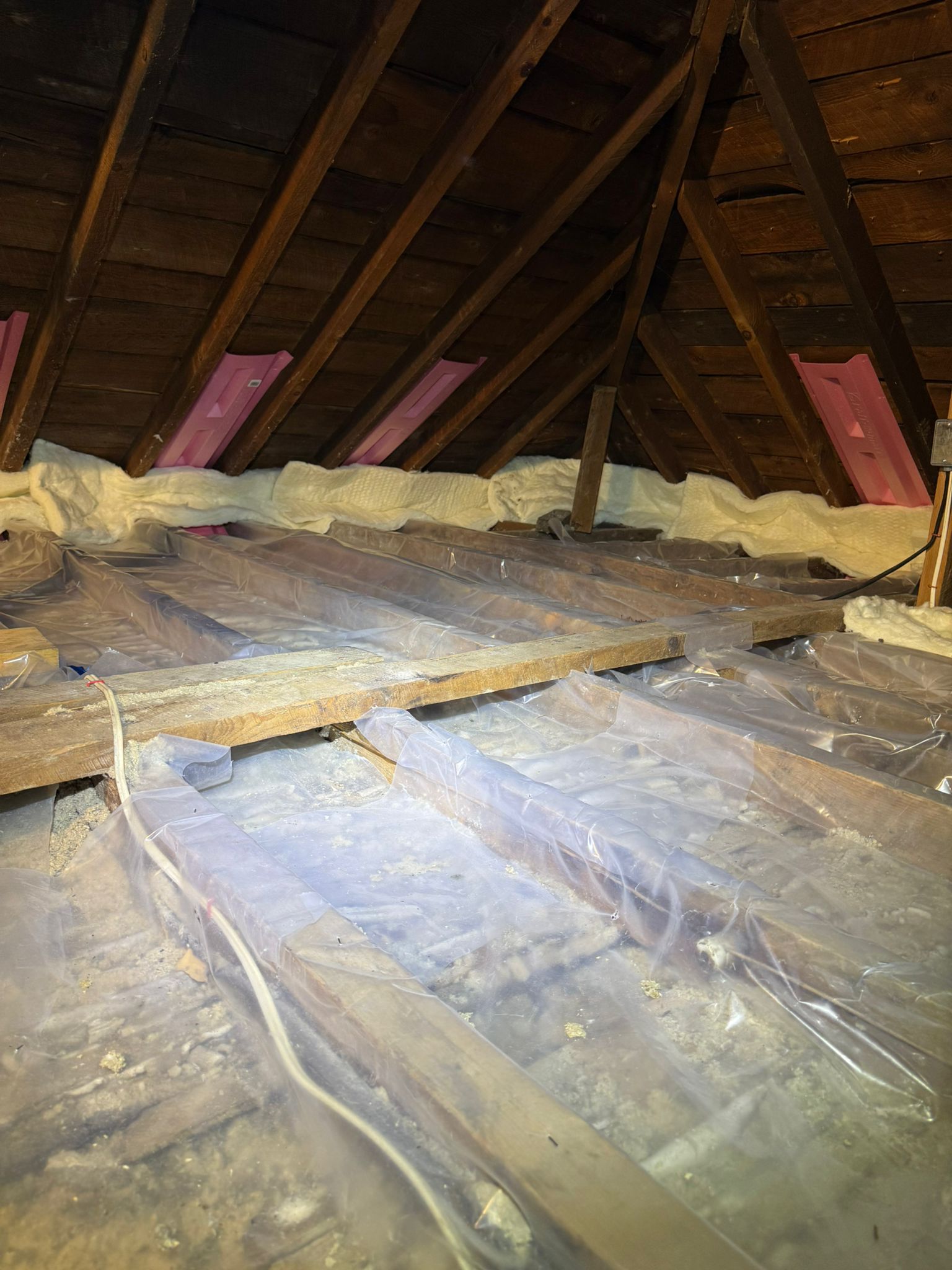
Meanwhile, a lot of the lower city’s housing stock dates back to Hamilton’s industrial heyday — modest brick cottages and row houses built to house factory and steel-mill workers. These homes were framed for durability and affordability, not thermal performance. Attic insulation, where it exists at all, is often original or close to it, meaning it predates virtually every modern building code update on the subject.
Whether you’re dealing with Mountain exposure or a lower-city original attic, the fix starts the same way: an honest inspection. Homeowners comparing attic insulation contractors in Hamilton should ask specifically whether a contractor has worked on both housing types, since the diagnosis and access can differ significantly between a 1970s Mountain bungalow and a century-old lower-city cottage.
The Physics Problem: Warm Air Doesn’t Stay Downstairs
In either case, the mechanism causing winter roof damage is the same. Warm air from the living space rises into a poorly insulated attic, heats the roof deck from underneath, and melts snow unevenly. That water runs to the colder eave edge and refreezes into ice dams. Natural Resources Canada’s Keeping the Heat In: Roofs and Attics guide explains this connection directly, and it’s why sealing attic air leaks has to happen alongside — not instead of — adding insulation.
$1,250 Back Through Ontario’s Home Renovation Savings Program
Enbridge Gas, Save on Energy (IESO), and the Ontario government jointly run the Home Renovation Savings program, which now offers a $1,250 rebate for attic insulation upgrades, raised from the previous $1,000. A standalone attic insulation job doesn’t require a home energy assessment to qualify — the rebate applies on its own.
Why Pro Insulation Contracting
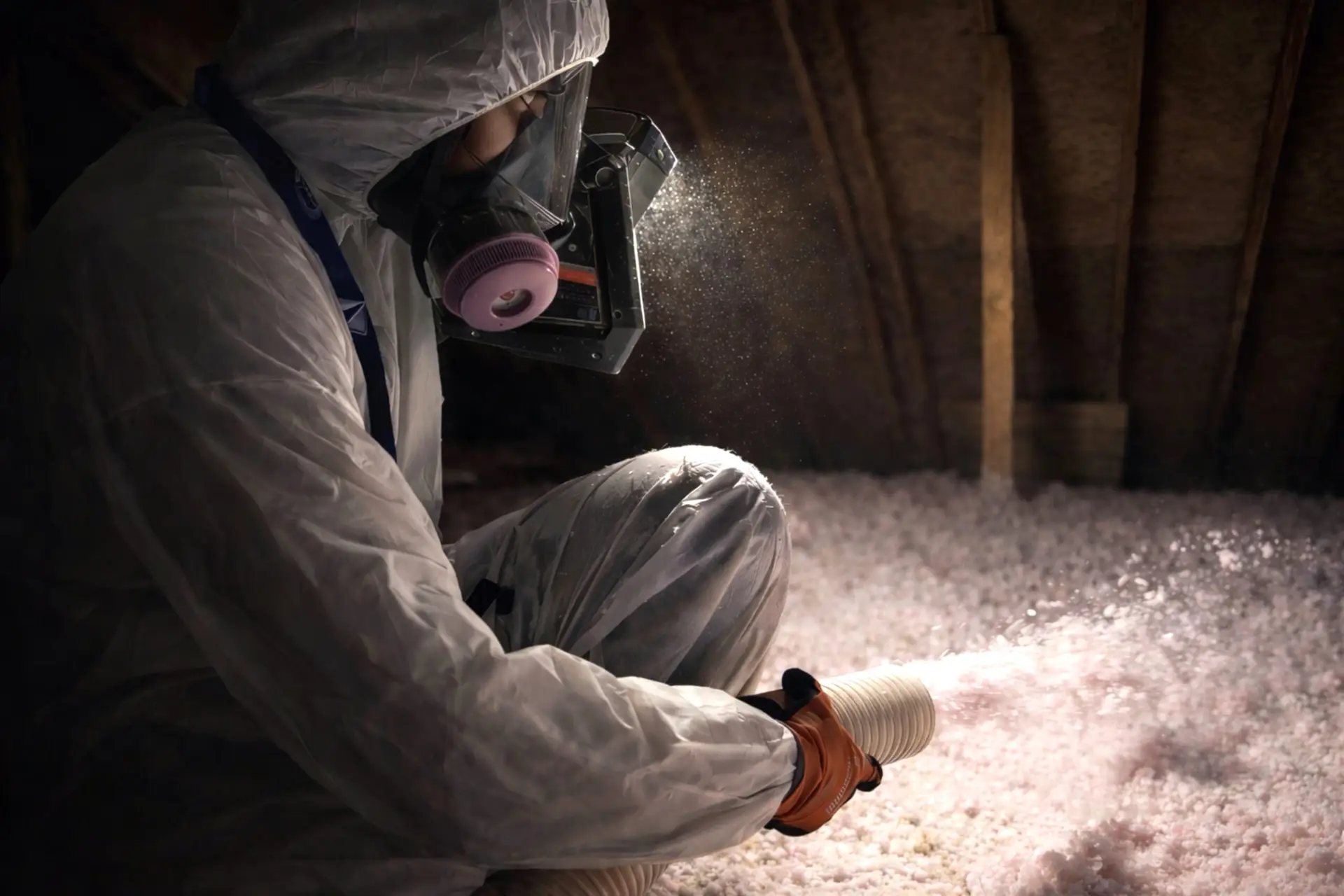
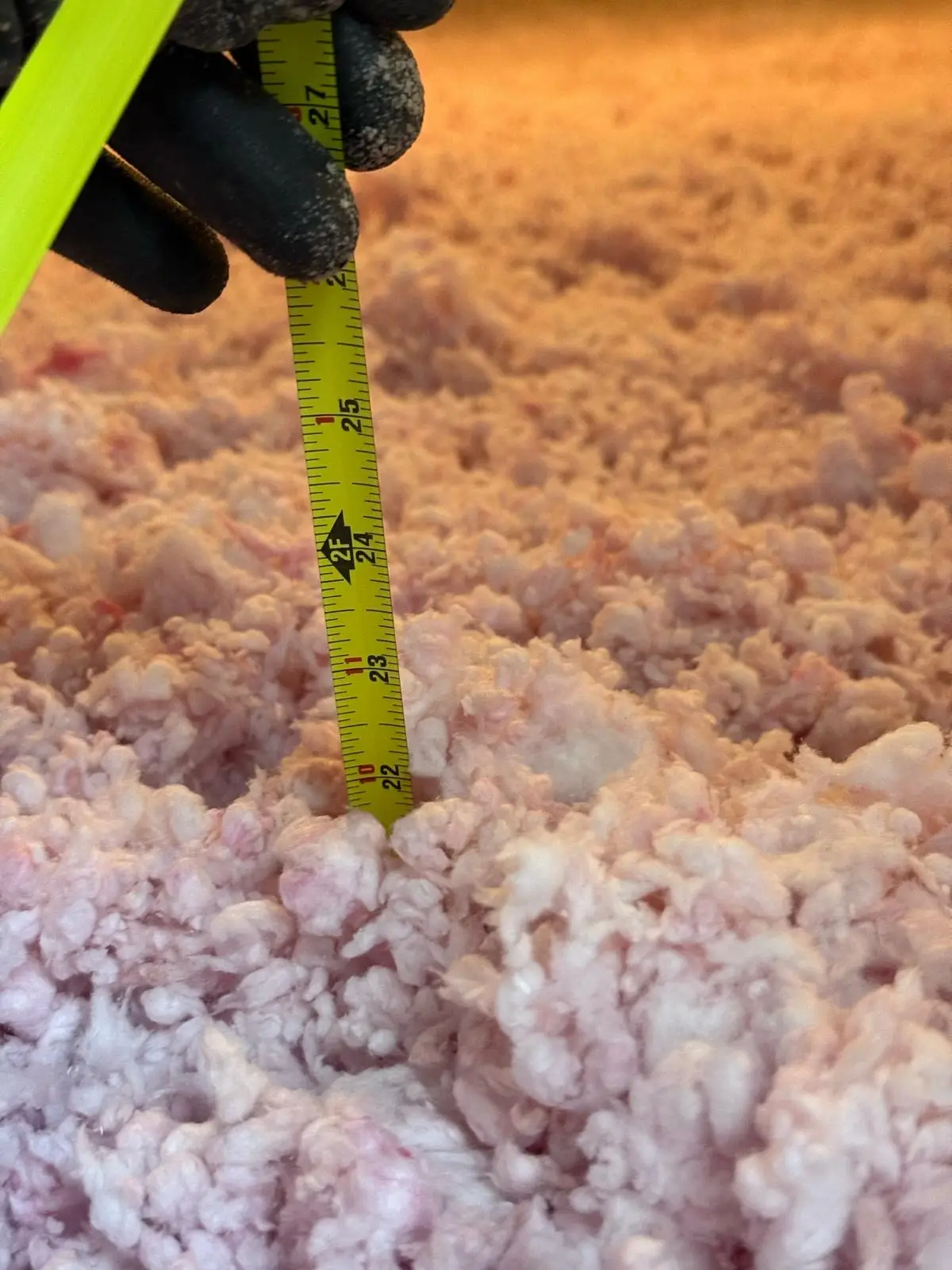
We inspect every attic in person before quoting, whether it’s a Mountain home dealing with harsher exposure or a lower-city cottage with insulation that predates the postwar building boom. We identify and seal air leaks first, then bring insulation up to current recommended levels, and we handle the Home Renovation Savings paperwork so the $1,250 rebate actually gets claimed.
Contact Pro Insulation Contracting to book an inspection, wherever in Hamilton you’re located.